
It’s mid-January, and a lot of people are making the same resolution: eat healthier, feel better, fix energy and cravings. At the same time, the 2025–2030 U.S. Dietary Guidelines for Americans have landed with a loud “back to basics” framing — prioritize whole foods and reduce highly processed foods.
So it makes sense that “cutting seed oils” is coming up again — as a simple lever people can pull.
But if we answer this question through Dr. Cate Shanahan’s framework, the most common misunderstanding isn’t just “seed oils are bad” — it’s why they’re bad and what “cutting” actually means.
What Most People Get Wrong About “Cutting Seed Oils”?

1) People blame the wrong thing
Dr. Shanahan argues that the biggest public misconception is treating linoleic acid as the whole story. In her view, “omega-6 linoleic acid is bad” is a myth — the bigger issue is how industrial seed oils are manufactured and what happens to them during processing (refining, bleaching, deodorizing), which can generate lipid oxidation products (LOPs).
Translation:
If someone “cuts seed oils” but swaps in other ultra-processed fats or keeps eating a high-processed diet, they’ve missed the core mechanism Shanahan is warning about.
2) People think “cutting” means a single swap
In Shanahan’s lens, “cutting seed oils” isn’t a one-ingredient tweak — it’s removing a category of industrial fats she calls the “Hateful Eight” (canola, corn, cottonseed, soy, sunflower, safflower, grapeseed, rice bran).
Her argument is not “fear fats” — it’s replace the industrial oils with traditional fats that align better with metabolic health (e.g., butter, ghee, tallow, olive oil), and do it consistently.
3) People underestimate the timeline
Another common mismatch: people expect an instant “detox” result. Shanahan emphasizes that the body’s fat composition reflects what you’ve been eating for a long time, so rebuilding metabolism is a process, not a weekend cleanse. In her work on metabolic recovery and fat loss, she frames this as restoring “fatburn” (metabolic flexibility) by removing the oils that disrupt it.
SeedOil Lens

If you’re using January as a reset, the most useful reframe is this:
Don’t treat seed oils as a moral issue. Treat them as a manufacturing + chemistry issue. The win isn’t perfection. The win is consistency in removing industrial oils and returning to traditional fats — long enough for your baseline to change.
And this is why the timing matters: when federal guidelines talk about “real food” and reducing highly processed foods, it creates a cultural opening for people to examine the industrial inputs they’ve normalized — including oils.
A Simple Way to Start Removing Seed Oils
(Without Overthinking It)

If you want to apply Shanahan’s approach without overwhelm:
Start with the Hateful Eight list and remove them from home cooking first.
Choose 2 replacement fats you’ll actually use (example: butter + olive oil).
Fix the “silent sources” (dressings, mayo, sauces) — the places seed oils hide the most.
Keep it simple: one consistent pattern beats ten perfect rules.
Highlights
🍳 Recipe Highlight
“Make Mayo Fast and Foolproof in 2 Minutes Flat” (seed-oil-free mayo you can actually keep doing)
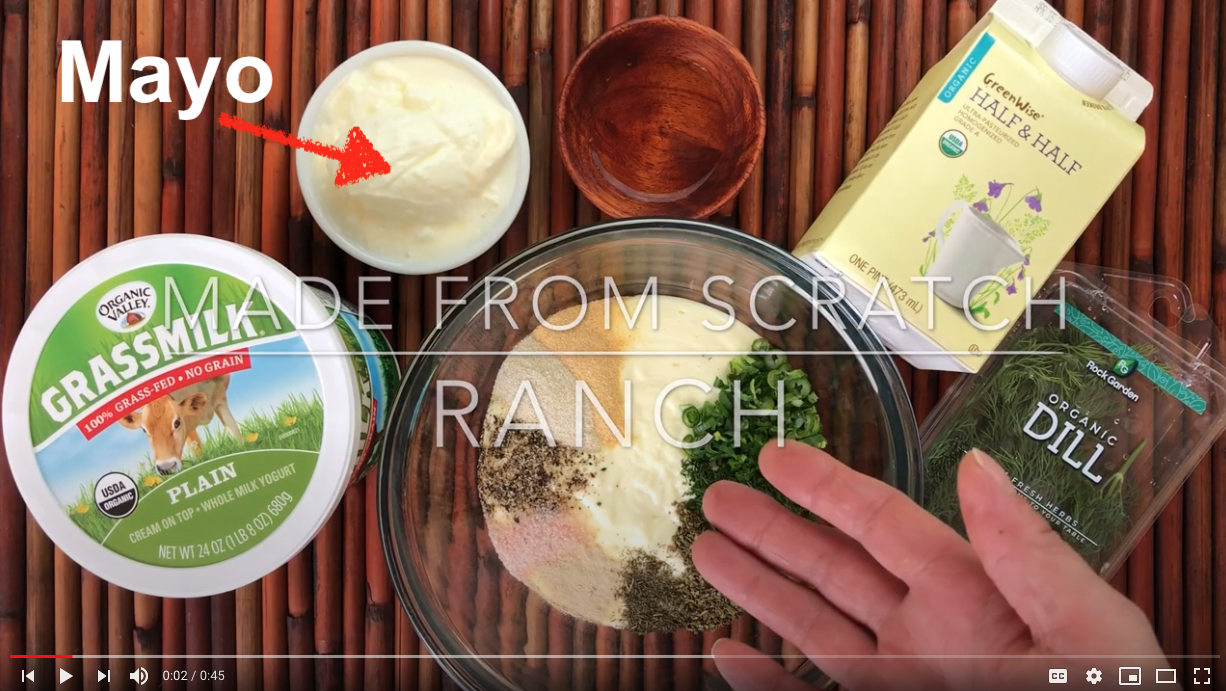
🎥 Clip Highlight
“The Hateful Eight” — the clearest quick breakdown of the category she targets
Hit reply and tell us: Which “silent source” are you removing first — mayo, dressing, or restaurant fried food?
If you’re doing a New Year reset, don’t aim for perfect — aim for repeatable. In Shanahan’s framework, consistency is the lever that changes the baseline.
— The SeedOil.com Team